
Many people think of bleeding gums, bad breath, or gum recession as small dental problems. They may assume these symptoms are limited to the mouth and can be handled with better brushing, mouthwash, or a routine cleaning. However, the health of your gums can be closely connected to the health of the rest of your body.
Your mouth is not separate from your immune system, bloodstream, heart, digestion, or inflammatory response. It is one of the main entry points into the body. When harmful bacteria remain active around the teeth and below the gumline, they may contribute to inflammation, infection, and health concerns that extend beyond your smile.
According to the Centers for Disease Control and Prevention, periodontal disease involves inflammation and infection of the tissues that surround and support the teeth, including the gums and bone. In the early stage, the gums may become red, swollen, tender, or more likely to bleed. If the condition progresses, it can damage the bone that holds the teeth in place and may eventually lead to loose teeth or tooth loss.
The bigger concern is not only what happens to your teeth. It is what ongoing oral inflammation may mean for the rest of the body. The American Dental Association explains that oral health and systemic health are connected, and periodontal disease has been associated with conditions such as diabetes and cardiovascular disease. This does not mean gum problems directly cause every health condition they are associated with, but it does mean the health of the mouth should be taken seriously as part of overall wellness.
The Mouth Is Not Isolated From The Body
The mouth is part of the body's larger biological system. It is involved in eating, chewing, speaking, breathing, digestion, and immune defense. When the mouth is healthy, it helps support comfort, nutrition, and confidence. When there is chronic infection or inflammation around the teeth, the body may have to work harder to control it.
This is why holistic dentistry looks beyond the surface. A holistic dentist considers the connection between oral bacteria, inflammation, dental materials, diet, immune response, and whole body health. The goal is not simply to clean the teeth. The goal is to understand what is happening in the mouth and how it may be affecting the patient's long-term wellness.
Why Bleeding Should Get Your Attention
Bleeding gums are common, but they should not be considered normal.
Healthy gum tissue should not bleed regularly when you brush or floss. If bleeding keeps happening, it is often a sign that the tissue is irritated or inflamed. Many people ignore this symptom because it may not hurt. That can be a mistake because periodontal problems can progress quietly.
The National Institute of Dental and Craniofacial Research explains that gum disease can begin with swollen, red, and bleeding gums and may progress to bone damage, pain while chewing, loose teeth, or tooth removal if left untreated.
Early evaluation matters. A small amount of bleeding today may be an early warning sign that the oral environment needs attention before more serious damage occurs.
Inflammation Is The Bigger Issue
Inflammation is part of the body’s natural healing response. If you cut your skin or fight an infection, inflammation helps protect the area and begin the repair process. The problem begins when inflammation becomes constant.
Periodontal infection can create a long-term inflammatory burden because bacteria remain active below the gumline. The immune system keeps responding, the tissues remain inflamed, and the problem can become chronic rather than temporary.
For some patients, this may be especially important. Someone with diabetes, cardiovascular risk factors, autoimmune concerns, chronic fatigue, or other inflammatory conditions may not want another untreated source of inflammation in the body. The mouth can become one of those sources if gum health is ignored.
The Diabetes Connection
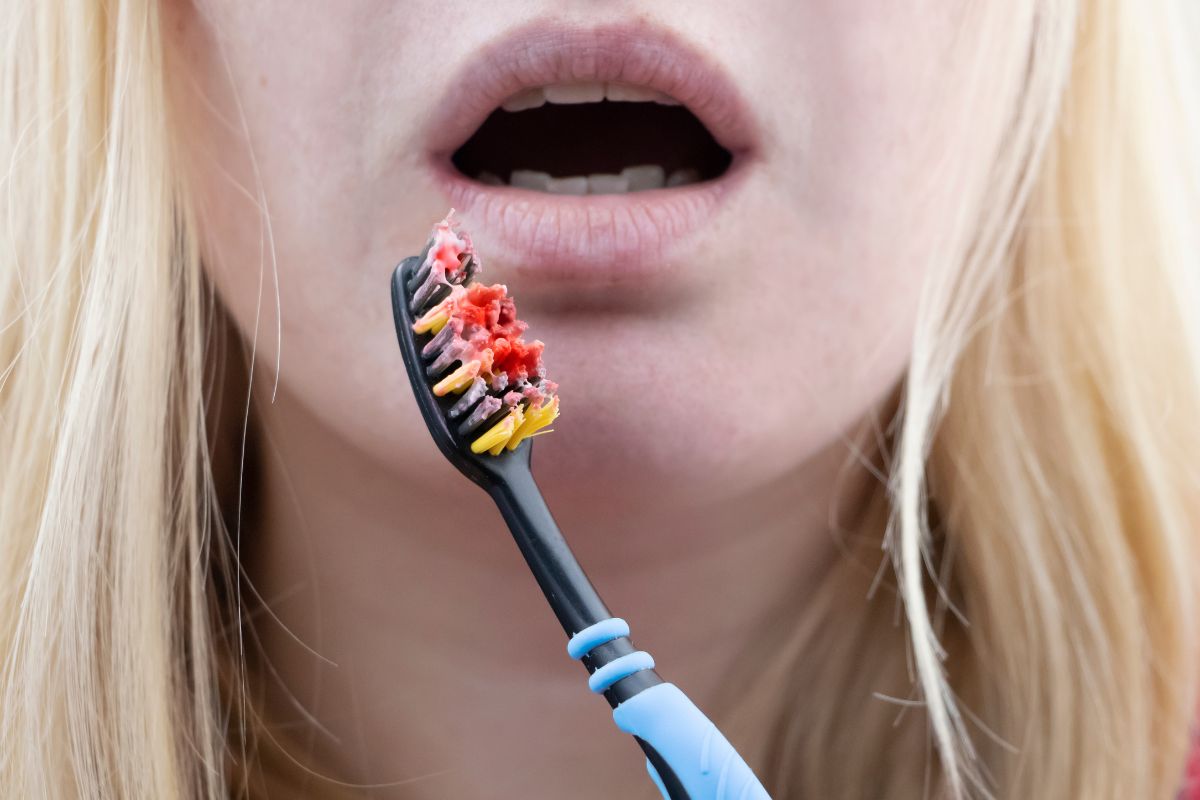
One of the strongest associations between oral health and whole-body health involves diabetes.
The National Institute of Dental and Craniofacial Research states that people with diabetes have a higher chance of developing periodontal disease. Diabetes can also slow healing, making it harder for the body to recover from infection.
This relationship can work both ways. A person with diabetes may be more vulnerable to oral infection because the body has a harder time fighting bacteria. At the same time, untreated oral infection may contribute to inflammation, which can make blood sugar management more difficult.
For diabetic patients, gum care should be part of a broader health strategy. Regular dental visits, periodontal evaluations, professional cleanings, and strong daily home care can help reduce avoidable oral inflammation. Some patients may also benefit from more frequent cleanings, bacterial testing, or supportive holistic therapies, depending on their condition.
Heart Health And The Bloodstream
The mouth and cardiovascular system are connected through circulation. When oral tissues are inflamed, bacteria and inflammatory byproducts may enter the bloodstream.
The American Heart Association notes that mouth germs and gum inflammation can enter the bloodstream and are linked to inflammation in the body. It also explains that gum problems are associated with a higher risk of heart and blood vessel disease.
This does not mean oral infection is the only cause of heart disease. Heart health is affected by many factors, including genetics, cholesterol, blood pressure, smoking, diabetes, diet, exercise, stress, and age. However, oral inflammation may be one part of a larger risk picture.
A healthier mouth may help reduce the bacterial burden the body has to manage. Dental care should not replace medical care, but it can support a more complete approach to wellness.
Bacteria Can Hide Below The Gumline
Not all oral bacteria behave the same way. Some bacteria are part of a normal oral environment. Others are more aggressive and may contribute to deeper periodontal problems.
As plaque builds up and hardens into tartar, bacteria can collect near and below the gumline. Over time, small spaces called periodontal pockets may form around the teeth. These pockets can trap bacteria in areas that are difficult to reach with brushing and flossing alone.
This is one reason professional care matters. Once tartar forms, it cannot be removed with a toothbrush. A dentist or hygienist needs to remove it properly so the tissues have a better chance to heal.
Bad Breath Can Be A Warning Sign
Bad breath is often treated as an embarrassing problem rather than a health concern. Many people try to cover it with mints, gum, or mouthwash. Those may help temporarily, but they do not solve the source of the problem if the odor is coming from bacteria below the gumline.
Persistent bad breath may be connected to bacterial buildup, periodontal pockets, dry mouth, infection, or other oral health concerns. If it keeps coming back, it should be evaluated.
A patient-centered dentist will look for the cause instead of only masking the symptom.
Signs You Should Not Ignore
Some symptoms deserve attention even if they do not cause pain. You should schedule a dental evaluation if you notice:
- Bleeding when brushing or flossing
- Persistent bad breath
- Red, swollen, or tender tissue
- Gum recession
- Loose teeth
- Pus around the teeth
- A bad taste in the mouth
- Pain when chewing
- Shifting teeth
- Changes in the way your bite feels
These signs may point to inflammation or infection around the teeth. The earlier they are addressed, the easier the condition may be to manage.
Chewing, Digestion, And Nutrition
Advanced periodontal problems can damage the bone and tissues that hold teeth in place. As support is lost, teeth may loosen, shift, or eventually require removal. This can affect far more than appearance.
Chewing is the first step in digestion. When teeth are painful, loose, or missing, patients may avoid foods that require more chewing, such as raw vegetables, fruits, nuts, and lean proteins. Over time, their diet may become softer, more processed, or less nutritious.
Tooth loss can also affect speech, bite balance, facial structure, and confidence. Protecting the tissues that support the teeth helps preserve function, comfort, and quality of life.
Oral Health And Immune Stress
The immune system is designed to protect the body from infection. If there is an active infection in the mouth, the immune system may have to respond continuously.
For some patients, this may not seem noticeable at first. For others, especially those already dealing with chronic inflammation or immune challenges, an untreated oral infection may add to the body’s overall burden.
Holistic dental care often focuses on identifying hidden sources of stress in the mouth. These may include inflamed tissue, bacterial imbalance, failing dental work, incompatible materials, infected teeth, or old restorations that are no longer functioning properly.
The goal is to reduce unnecessary stress wherever possible.
Pregnancy And Hormonal Changes
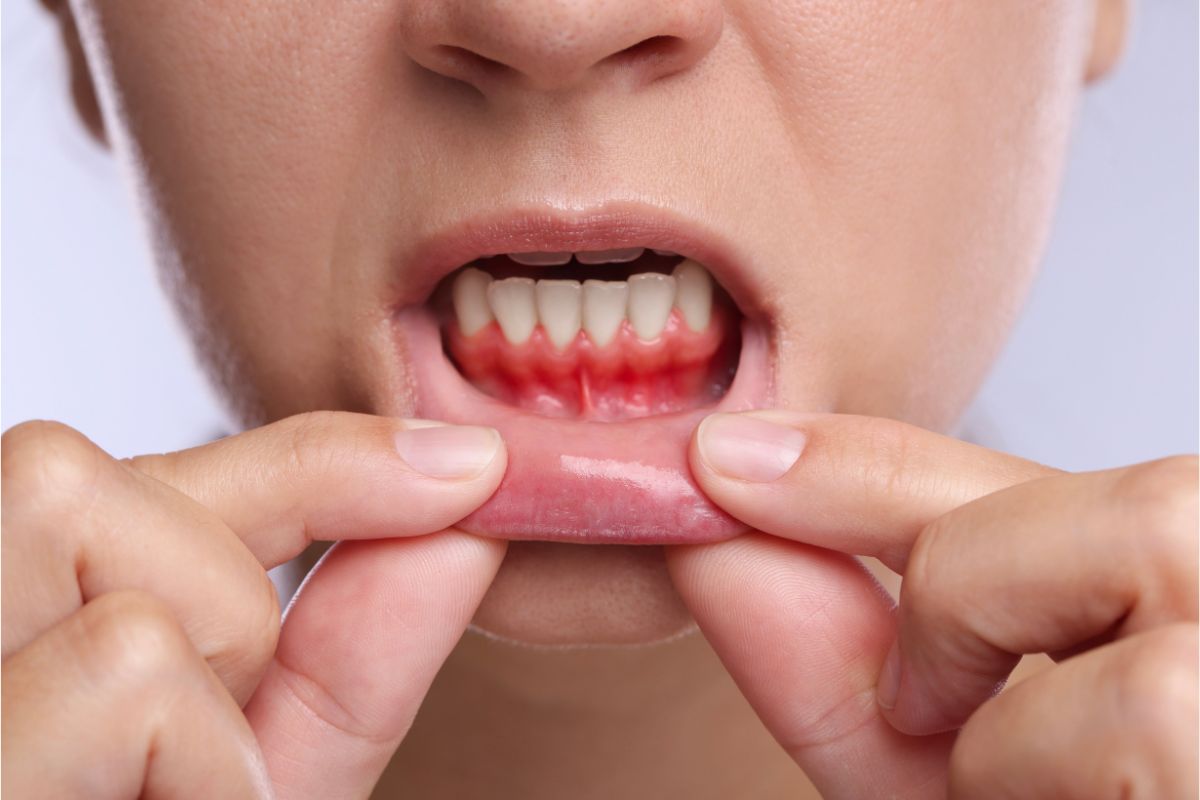
Hormonal changes can make oral tissues more sensitive. During pregnancy, some patients notice swelling, tenderness, or bleeding when brushing and flossing.
Because pregnancy already places additional demands on the body, oral inflammation should not be ignored. Pregnant patients should coordinate dental care with both their dentist and medical provider. Preventive cleanings and dental evaluations may be recommended, while certain procedures may need to be timed carefully depending on the stage of pregnancy and the patient’s health.
For patients planning pregnancy, addressing oral inflammation ahead of time may be a wise preventive step.
Why Testing Can Help Personalize Care
Every patient’s mouth is different. Two people may have similar symptoms, but different bacteria, risk factors, habits, and health histories. This is why a one-size-fits-all approach is not always ideal.
A holistic dentist may use advanced diagnostic tools to better understand what is happening in the mouth. Phase contrast microscopy can help evaluate live bacterial activity in plaque samples. Dental DNA testing may help identify specific bacteria associated with periodontal infection.
The Value Of Dental Ozone And Supportive Therapies
Some holistic dental offices use dental ozone as part of a broader approach to oral health. Ozone may be used to help reduce harmful bacteria and support a cleaner oral environment. It should not be viewed as a replacement for proper periodontal care, but it may be used as a supportive therapy when appropriate.
Other supportive approaches may include home care instruction, nutritional guidance, herbal support, homeopathy, and biocompatible dental materials. The goal is to support healing while respecting the body’s natural systems.
A thoughtful treatment plan should always be based on the patient's condition, health history, and clinical findings.
Prevention Starts With Daily Habits
Daily habits play a major role in protecting the mouth. Brushing twice a day, flossing, cleaning the tongue, drinking water, and reducing excess sugar can all help lower the bacterial burden.
Professional care is also necessary. Plaque can harden into tartar, and tartar cannot be removed at home. If tartar builds below the tissue line, it can contribute to deeper pockets and ongoing inflammation.
Some patients may need cleanings more often than twice a year. This is especially true for people with a history of periodontal disease, diabetes, smoking, dry mouth, immune concerns, or recurring inflammation.
A Holistic Approach Looks For The Cause
Traditional dental care often focuses on removing plaque, cleaning the teeth, and treating visible symptoms. These steps are important. Holistic dentistry may go further by asking why the condition developed in the first place.
A holistic dentist may evaluate oral bacteria, diet, home care habits, inflammation, dental materials, bite function, previous dental work, immune health, and systemic risk factors. This broader view can be especially helpful for patients who want to understand the relationship between their mouth and overall wellness.
Treatment may include professional cleanings, periodontal therapy, improved home-care instruction, dental ozone, bacterial testing, nutritional support, or other holistic therapies, when appropriate.
The goal is not simply temporary improvement. The goal is to help create a healthier oral environment that supports long-term wellness.

When To See A Dentist
You should see a dentist if you notice bleeding, swelling, recession, bad breath, loose teeth, pain while chewing, or changes in your bite.
You should also be proactive if you have diabetes, cardiovascular risk factors, a history of periodontal treatment, or concerns about chronic inflammation. Waiting until pain develops can make the condition more difficult to treat.
Early care can often help prevent bigger problems later.
Healthy Oral Tissues Support Whole Body Wellness
The soft tissues around the teeth play a major role in protecting them, supporting the jawbone, and helping to maintain a stable bite. When these tissues are healthy, the mouth is more comfortable, breath is fresher, chewing is easier, and the risk of tooth loss is lower.
A healthier mouth may also support overall wellness by reducing oral inflammation and lowering the bacterial burden in the mouth. Dental care should not replace medical care, but it can be an important part of a complete health strategy.
Patients who value preventive, minimally invasive, and whole-body-focused dentistry should consider working with a provider who understands the oral-systemic connection.
Holistic Dental Arts
If you are concerned about bleeding, bad breath, gum recession, loose teeth, or the connection between oral health and overall wellness, Dr. Ayman Zraiqat of Holistic Dental Arts in Orange County, California, offers a comprehensive, patient-centered approach to dental care.
Dr. Ayman Zraiqat of Holistic Dental Arts focuses on holistic dentistry that considers the relationship between the mouth and the rest of the body. Patients may benefit from services such as periodontal evaluations, dental ozone, phase contrast microscopy, dental DNA testing, dental homeopathy and herbal medicine, biomimetic dentistry, biocompatible dental materials, and minimally invasive treatment planning.
His approach is designed to help patients understand the source of their oral health concerns, preserve natural teeth when possible, reduce unnecessary inflammation, and make informed decisions about treatment. Instead of treating the mouth as separate from the body, Dr. Ayman Zraiqat of Holistic Dental Arts emphasizes whole body wellness and long-term prevention.
Conclusion
Problems with the tissues that support the teeth can affect much more than your smile. They may contribute to chronic inflammation, tooth loss, chewing difficulty, bad breath, immune stress, and added health concerns for patients with diabetes or cardiovascular risk factors.
The good news is that many periodontal problems are preventable, manageable, and treatable when addressed early. Paying attention to bleeding, swelling, recession, bad breath, and loose teeth can help patients take action before the condition becomes more serious.
For patients in Orange County who want a natural, comprehensive, and whole-body approach to dental care, Dr. Ayman Zraiqat of Holistic Dental Arts provides thoughtful care focused on prevention, biocompatibility, advanced diagnostics, and long-term wellness. A healthier mouth can support a healthier body, and healthy oral tissues are an important part of that foundation.