
When a tooth becomes deeply irritated, infected, or structurally compromised, many patients assume the only real treatment option is a root canal. In some cases, that may be true. But in other cases, the better question is not whether a root canal exists as a treatment. The better question is whether the tooth still has a realistic chance of being managed in a more conservative way, or whether removing and replacing it may actually be the healthier long-term decision.
That distinction matters because not every painful tooth is in the same condition. Some teeth still have living pulp that may be protected. Some have inflammation that has not yet progressed too far. Others have damage, infection, or structural breakdown that makes long-term preservation much less predictable. For that reason, the best alternative to a root canal is never a one-size-fits-all answer. It depends on the biology of the tooth, the extent of the damage, and the long-term prognosis.
Why There Is No Single Root Canal Alternative For Every Case
Many patients begin this conversation hoping there is one universal treatment that can replace every root canal. In reality, there is no single substitute that works across all situations. A tooth with mild pulpal irritation is very different from a tooth with deep infection, nerve death, bone involvement, or major structural compromise. The treatment options change depending on where the tooth falls on that spectrum.
This is why careful diagnosis matters more than simply choosing the most attractive-sounding option. A conservative treatment may be appropriate when the pulp is still vital and the damage is limited. That same treatment may no longer be realistic if the tooth has already passed into a more advanced stage. The best answer depends less on what sounds ideal in theory and more on what gives the tooth the strongest real prognosis.
Direct Pulp Capping May Be One Of The Most Conservative Options
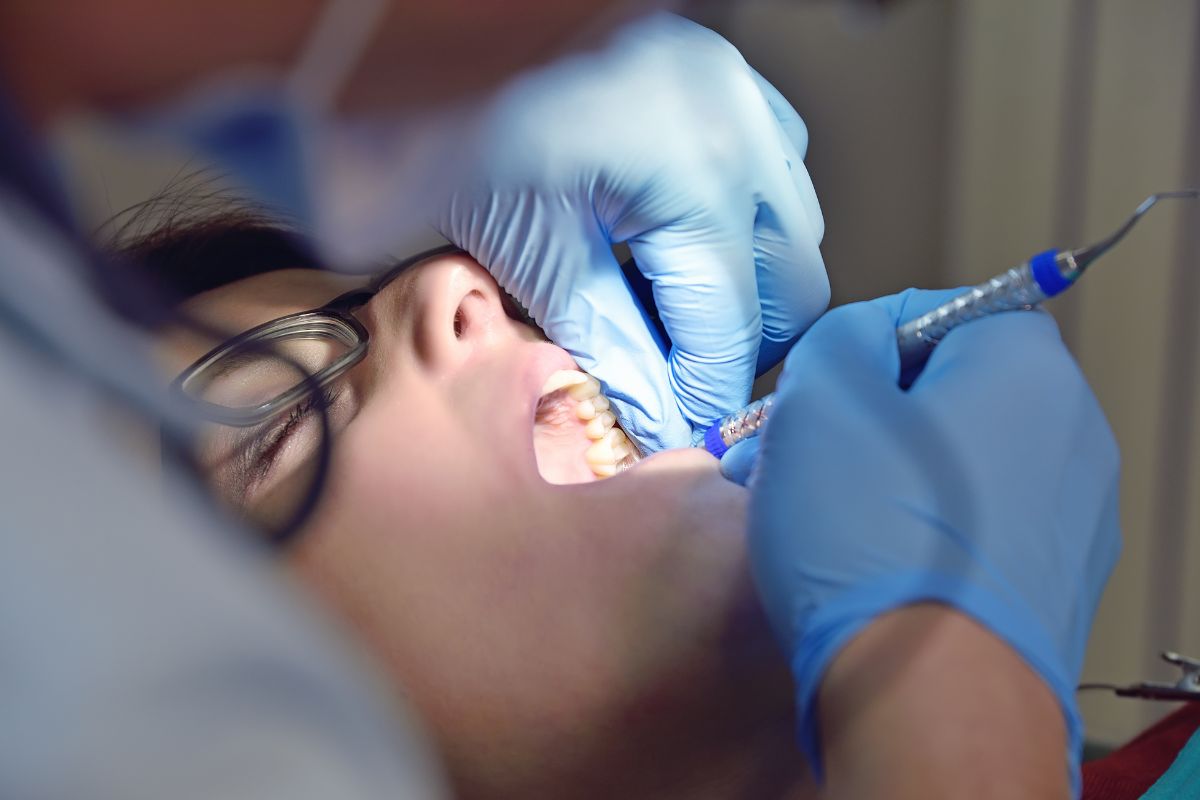
Direct pulp capping is one of the most conservative alternatives to a root canal when the circumstances are right. This approach is generally considered when the pulp has been exposed but the tooth is still alive and there is still a reasonable opportunity to protect the nerve rather than remove it. The goal is to place a protective material over the exposed area and encourage healing.
The advantage of this kind of treatment is that it aims to preserve the natural vitality of the tooth. Instead of removing the nerve, it attempts to support recovery. But this option is highly case-dependent. If the pulp is too inflamed, too contaminated, or too damaged, the chances of long-term success drop significantly. Direct pulp capping is usually best when the exposure is limited and the underlying pulp still has a realistic chance to remain healthy.
Indirect Pulp Capping May Help Before The Nerve Is Exposed
Indirect pulp capping is a similar but somewhat earlier-stage approach. In these situations, the decay or damage has come close to the pulp but has not yet fully exposed it. The goal is to preserve the pulp by protecting it before the problem progresses further.
This can be a meaningful alternative when a tooth is still vital, and there is still enough healthy internal biology to support recovery. Because the nerve has not yet been directly exposed, the treatment may offer an opportunity to avoid more aggressive intervention. But like direct pulp capping, it is most useful when the case is diagnosed early enough, and the tooth has not already crossed into a deeper, less reversible problem.
Pulpotomy May Be Appropriate In Selected Situations
Pulpotomy is another possible alternative in selected cases. This procedure involves removing only the affected portion of the pulp while preserving the remaining healthy tissue when that is still clinically appropriate. In some patients, this allows part of the tooth’s internal vitality to remain instead of moving immediately to full root canal therapy.
This option may be more relevant when the problem is localized, and the remaining pulp tissue still has a favorable prognosis. The benefit is that it preserves more of the tooth’s natural biology than a full root canal. The limitation is that it only makes sense when the remaining tissue can still function in a healthier way after treatment. If the damage is too advanced, the tooth may no longer be a realistic candidate.

Ozone May Be A Supportive Tool But Not A Universal Replacement
Ozone is often discussed in holistic and biologic dental settings because it may help reduce bacterial activity and support a cleaner treatment environment. In some situations, it may be used as part of a broader plan for managing tooth decay or localized bacterial issues.
At the same time, ozone should not be confused with a guaranteed long-term replacement for every root canal case. It does not rebuild lost tooth structure, restore dead pulp, or reverse a severely compromised tooth by itself. In other words, it may serve a useful supportive role, but it is not a universal answer for every infected or symptomatic tooth.
Natural Remedies Are Not The Same As A True Alternative
Patients sometimes look into saltwater rinses, herbal remedies, clove oil, essential oils, or other home strategies when a tooth begins hurting. These approaches may temporarily soothe irritation or improve comfort, but they are not a true long-term solution for a tooth with deep decay, pulpal damage, or infection.
This distinction is important because delay can change the prognosis. A tooth that may have had a conservative treatment option at an earlier stage can become a much more serious problem if the infection or damage is allowed to progress while relying only on temporary symptom relief.
Calcium-Based Materials May Help In Some Cases, But They Are Not A Cure-All
Certain biologically active materials may be used in conservative pulp-related treatments to help protect or stimulate healing. But no material, no matter how promising, can override a poor diagnosis. If the pulp is already irreversibly compromised or the tooth is structurally failing, the material alone will not create a strong long-term outcome.
That is why the success of a conservative alternative depends less on the material name and more on whether the tooth is truly a good candidate for that level of treatment in the first place.
Sometimes Extraction Is The Best Alternative
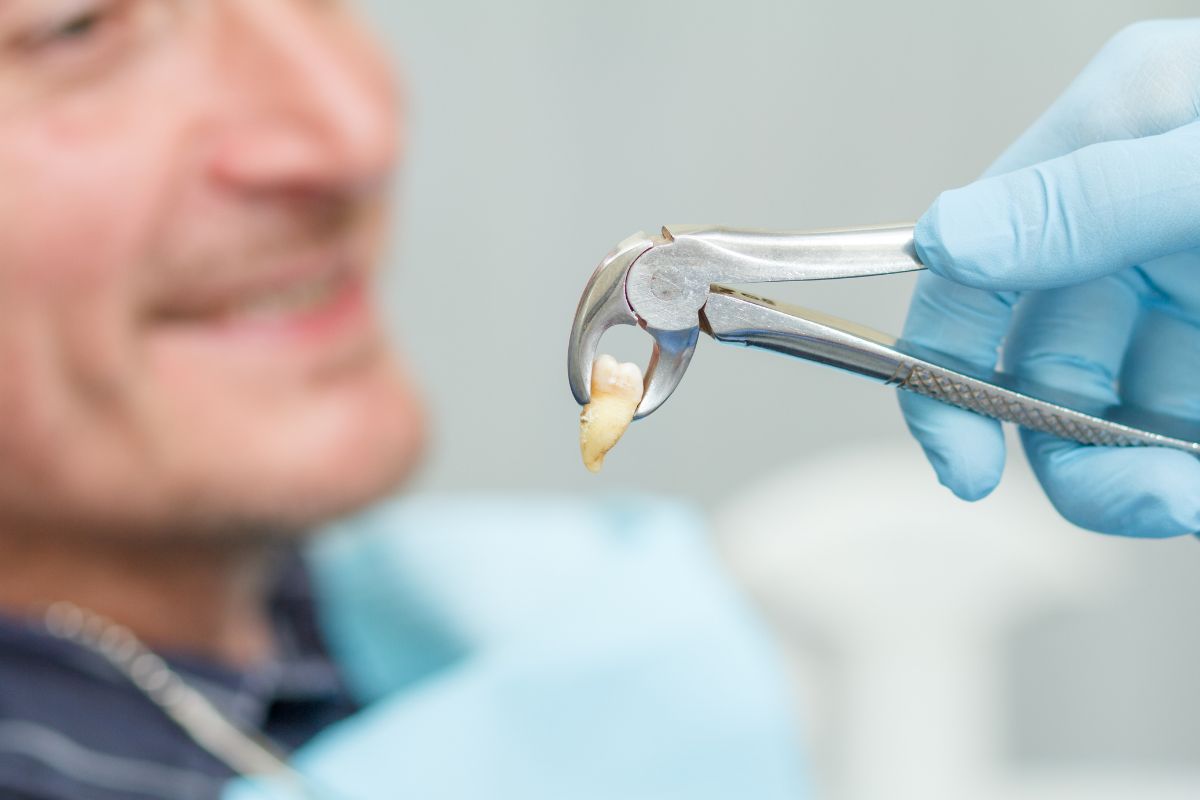
For some patients, the best alternative to a root canal is not another attempt to preserve the pulp. It is an extraction. That can be difficult to accept because many people understandably want to keep the natural tooth if possible. But when a tooth is severely infected, non-restorable, fractured, or no longer a strong long-term candidate, removing it may be the healthier and more predictable option.
This is especially true when holding onto the tooth may lead to repeated symptoms, ongoing uncertainty, or a prolonged cycle of temporary treatment without a strong prognosis. In those situations, extraction is not simply giving up on the tooth. It may actually be the cleaner and more realistic path forward.
Extraction Should Always Be Paired With A Thoughtful Replacement Plan
If extraction becomes the best alternative, the next question is what will replace the tooth. Removing a tooth without planning for function, spacing, bite support, and long-term stability can create its own problems. That is why extraction is usually only one phase of the treatment plan, not the end of it.
Depending on the location of the tooth and the condition of the surrounding area, replacement options may include a bridge, a removable restoration, or an implant. In a holistic dental setting, patients are often especially interested in biocompatible and metal-free replacement options when possible.
Zirconia Ceramic Implants May Be A Strong Long-Term Option For Some Patients
When extraction is the best alternative, zirconia ceramic dental implants may be one of the strongest long-term replacement options for certain patients. They are often appealing to people who want a metal-free restorative approach and who are thinking beyond just removing the problematic tooth.
For the right candidate, extraction followed by proper healing and later implant placement may offer more long-term stability than trying to preserve a tooth with a poor structural and biological prognosis. This does not mean every root canal should be replaced with an implant. It means that in some cases, replacing the tooth is more realistic than continuing to fight for a weak long-term outcome.
L-PRF May Help Support Healing After Extraction
If extraction is chosen, healing support becomes an important part of the plan. L-PRF may be used in some cases to support the healing process after a tooth is removed. This can be especially important when the long-term plan may involve future restorative treatment in the same area.
That matters because extraction is not only about taking a tooth out. It is about managing the site well, protecting the tissue, and helping create a better foundation for what comes next.
How To Know Which Alternative May Make The Most Sense
The best alternative usually depends on how early the problem is identified and how much healthy tooth biology remains. If the pulp is still vital and the damage is limited, a more conservative treatment such as direct pulp capping, indirect pulp capping, or pulpotomy may be worth considering. If the tooth has already progressed into a more advanced state, those options may no longer offer a strong or realistic prognosis.
At that point, extraction may become the better answer, especially if the tooth is severely weakened or infected. In some patients, that path may be followed by healing support and later replacement with a zirconia implant if that aligns with the long-term treatment plan.
Why Prognosis Matters More Than Preference Alone
Patients often start this conversation by focusing on what they hope to avoid. They may want to avoid a root canal, avoid extraction, avoid metal, or avoid a lengthy recovery. Those preferences matter. But the best long-term choice is usually driven by prognosis, not preference alone.
A treatment may sound more natural or more conservative, but if the tooth is no longer a realistic candidate for that option, the better answer is the one that fits the actual condition of the tooth. In that sense, the strongest treatment plan is not always the least invasive in theory. It is the one that makes the most biological, structural, and long-term sense.
Holistic Dental Arts
If you are trying to determine whether a compromised tooth may have a better option than root canal treatment, Dr. Ayman Zraiqat of Holistic Dental Arts offers a biologic approach to treatment planning. His services include Root Canal Alternatives, Extractions, and L-PRF, and Zirconia Ceramic Dental Implants, allowing patients to explore both tooth-preserving and replacement-based options through a holistic and patient-centered lens.
Conclusion
The best alternatives to a root canal are not the same for every tooth. In earlier-stage cases, direct pulp capping, indirect pulp capping, or pulpotomy may offer meaningful conservative options when the pulp is still vital and the damage is limited. Ozone may play a supportive role in some situations, but it is not a guaranteed replacement for every infected tooth. When a tooth is too compromised to predictably preserve, extraction may become the more realistic option, and zirconia ceramic implants may offer a strong, long-term replacement path for the right patient.
The real goal is not simply to avoid one procedure. It is to choose the treatment path that gives the patient the best long-term outcome based on the actual biology and condition of the tooth. A thoughtful diagnosis and realistic treatment plan matter more than any single label or preference.
Frequently Asked Questions
Is There Always An Alternative To A Root Canal?
No. Some teeth are too damaged, too infected, or too structurally compromised to be managed with a conservative alternative. The best option depends on the actual condition of the tooth and its long-term prognosis.
What Is The Most Conservative Alternative To A Root Canal?
In the right case, direct pulp capping or indirect pulp capping may be among the most conservative options because they aim to preserve the vitality of the tooth rather than remove the nerve. However, they only work when the tooth is still a good candidate biologically.
Can A Tooth Heal Without A Root Canal?
Sometimes, yes, if the damage has not progressed too far and the pulp can still recover. In earlier-stage cases, carefully selected conservative treatment may help protect the nerve and avoid more aggressive treatment. But once the tooth reaches a deeper level of infection or irreversible damage, healing without root canal treatment becomes much less realistic.
What Is A Pulpotomy?
A pulpotomy is a procedure that removes only the affected portion of the pulp while preserving the remaining healthy tissue when that is still appropriate. It may be considered in some selected cases where the remaining pulp still has a favorable prognosis.
Can Ozone Replace A Root Canal?
Ozone may sometimes be used as a supportive tool in managing bacteria, but it is not a universal replacement for root canal treatment. It does not restore lost tooth structure or reverse every advanced pulpal infection on its own.
When Is Extraction Better Than A Root Canal?
Extraction may be the better option when the tooth is severely infected, fractured, non-restorable, or has a poor long-term prognosis, even if treatment is attempted. In those cases, removing the tooth may be more predictable than trying to preserve it under weak conditions.
What Can Replace A Tooth After Extraction?
Replacement options may include a bridge, a removable restoration, or an implant, depending on the location of the tooth, the condition of the surrounding area, and the patient's goals. In a holistic setting, zirconia ceramic implants may be especially appealing to patients who want a metal-free option.
Are Zirconia Implants A Good Alternative After Extraction?
For the right patient, yes. Zirconia ceramic implants may be a strong long-term option after extraction, especially for patients interested in a biocompatible, metal-free restorative approach. Whether they are the best choice depends on the patient's bone and gum condition, healing, and overall treatment plan.
What Is L-PRF Used For After An Extraction?
L-PRF may be used to support healing after a tooth is removed. In some cases, it can help improve the healing environment and support the extraction site, especially when future restorative treatment is being planned.
How Do You Know Which Root Canal Alternative Is Best?
The best choice depends on diagnosis, pulp vitality, the depth of damage, the amount of healthy tooth structure left, and the overall prognosis. The strongest answer is not the most popular option. It is the option that gives the tooth and the patient the best realistic long-term outcome.