
Picture two ways to fix the same cracked molar. In the first, the dentist shaves the tooth down on every side and covers it with a crown. In the second, the dentist removes only the damaged and decayed material, seals the inner tooth, and bonds a restoration that works with the healthy enamel and dentin that remain. Both approaches can restore the tooth, but the second leaves far more of your natural tooth behind. That second approach is the heart of biomimetic dentistry.
Biomimetic dentistry is a conservative philosophy of restoring teeth by imitating the way natural teeth are built and function. Here is what that means, how it differs from traditional restorative care, and who it may help.
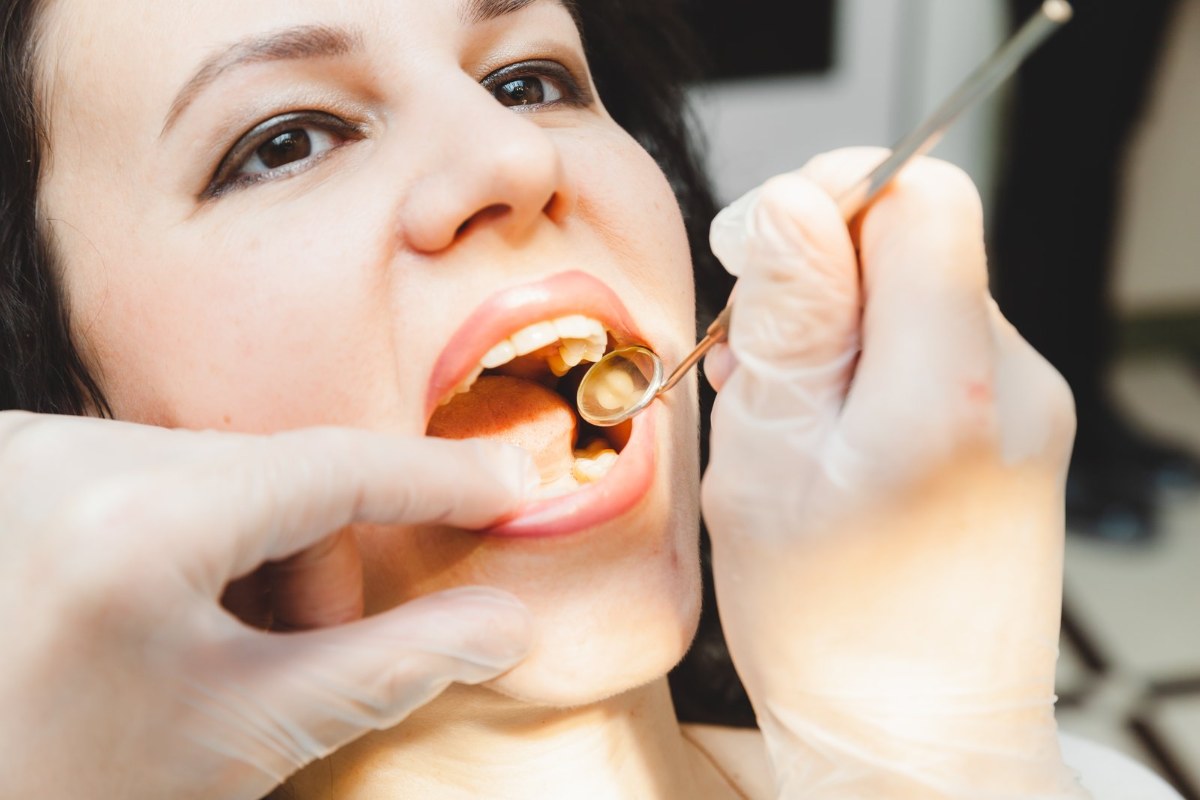
What Does Biomimetic Mean?
Biomimetic comes from the idea of mimicking life. In dentistry, it means designing restorations that behave as much like a natural tooth as possible. A healthy tooth is not a solid block. It has a hard outer layer of enamel and a slightly flexible inner layer of dentin, bonded together in a way that lets the tooth absorb chewing forces without breaking.
Biomimetic restorations try to recreate that relationship using modern bonding techniques and materials, so the repaired tooth flexes and handles stress more like it did before it was damaged.
The Core Goals of Biomimetic Dentistry
In an article for Dental Economics, Dr. Saul Pressner describes biomimetic dentistry as an approach that promotes tooth-conserving dentistry, with goals that include the following.
- Conserving the dental pulp, the living tissue inside the tooth
- Repairing or eliminating cracks
- Removing decay and other pathology
- Saving the maximum amount of healthy tooth structure
- Strengthening the remaining tooth
- Delaying the cycle of repeated re-treatment
The idea is simple. The more natural tooth you keep, and the better it is protected, the longer it may serve you.
How Biomimetic Dentistry Differs From Traditional Restorations
Traditional restorative dentistry often relies on mechanical retention. A crown, for example, usually requires reducing the tooth on all sides so the crown can fit over it. Over a lifetime, a tooth can move through a cycle of larger fillings, crowns, root canals, and eventually extraction.
Biomimetic dentistry aims to slow or interrupt that cycle. Instead of removing healthy structure to make room for a restoration, it relies on adhesion. Restorations are bonded directly to the tooth, which can allow the dentist to save more enamel and dentin.
- Less drilling. Only damaged, decayed, or weakened material is removed when possible.
- Bonded restorations. Inlays, onlays, and bonded fillings are often used instead of full crowns.
- Sealed dentin. The inner tooth is carefully sealed to help protect the pulp and reduce sensitivity.
- Stress-conscious techniques. Materials are placed in ways intended to reduce stress on the bond and the tooth.
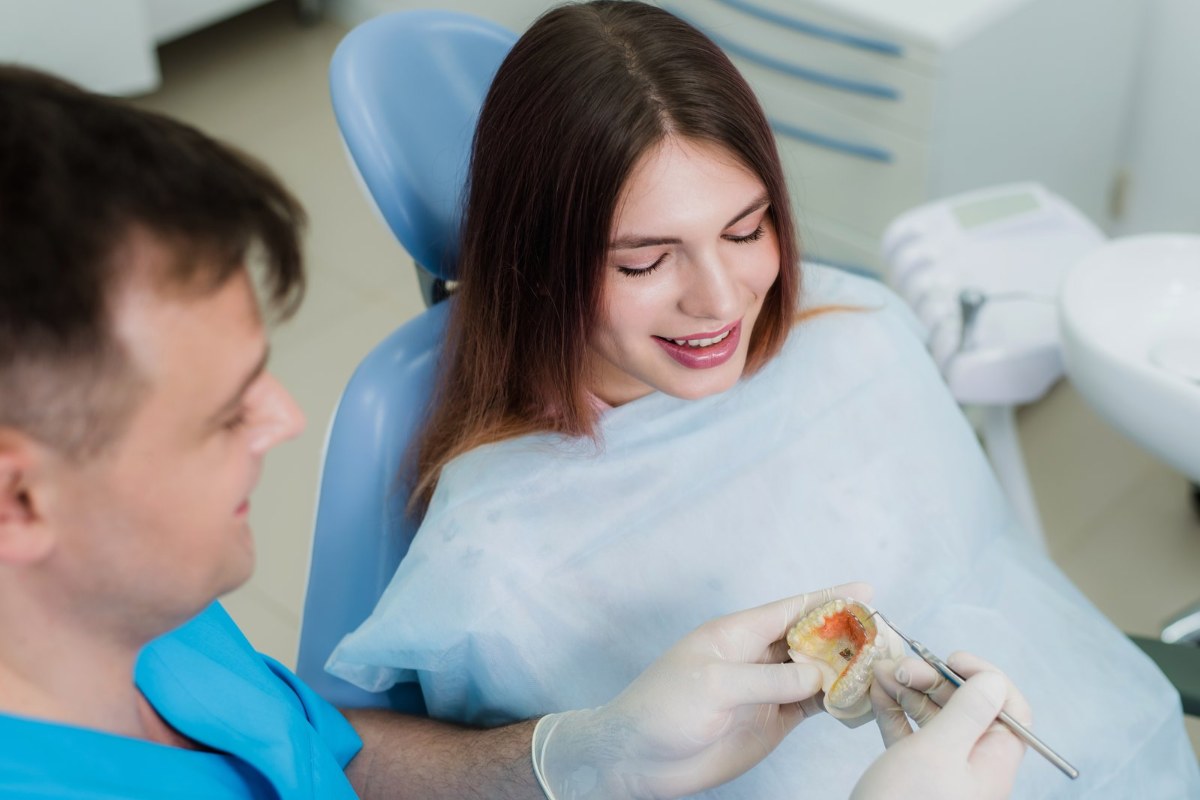
Common Biomimetic Treatments
Bonded Fillings
Tooth-colored bonded restorations can repair small to moderate areas of decay while preserving surrounding tooth structure. Biomimetic techniques focus on careful decay removal and strong, well-sealed bonds.
Inlays and Onlays
When a tooth has larger damage but still has healthy walls, an inlay or onlay can restore it without the full reduction that a crown often requires. These restorations are bonded in place and cover only the areas that need support.
Treatment of Cracked Teeth
Cracks can let bacteria in and cause pain or sensitivity when chewing. Biomimetic care focuses on identifying and addressing cracks early and bonding the tooth to help hold it together and reduce the risk of the crack growing.
Replacing Old Fillings
Many patients choose to replace old silver fillings with tooth-colored restorations when those fillings are failing. Our article on when you should replace old silver fillings explains how to decide, and our page on safe mercury removal describes how we approach amalgam removal.
How Biomimetic Dentistry Fits With Holistic Care
Biomimetic dentistry shares an important value with holistic dentistry. Both aim to preserve natural tissue and treat the tooth as part of the whole person. Many patients who are interested in biocompatible materials, mercury-safe practices, and conservative care also look for biomimetic restorations.
Saving more of the natural tooth may also reduce the chance that a tooth eventually needs a root canal. If you want to understand your options when a tooth is already deeply affected, read the best alternatives to a root canal or visit our root canal alternatives page.
Who Is a Good Candidate?
Many patients can benefit from a biomimetic approach, especially those who have the following.
- Cavities or old fillings that need repair or replacement
- Cracked or chipped teeth
- Large fillings that are breaking down
- A recommendation for a crown that they would like to avoid if possible
- A strong preference for conservative, tooth-saving treatment
Not every tooth can be restored conservatively. Severe decay, extensive fractures, or infection may require other treatment. A thorough exam and imaging help determine what is possible for each tooth.
What to Expect at Your Visit
Your visit usually begins with a careful exam of the tooth, including looking for cracks, decay, and the condition of existing fillings. Your dentist will explain what can be preserved, what needs to be removed, and which restoration fits your situation. Treatment is often completed in one or two visits depending on the type of restoration.
Finding a Biomimetic Dentist in Orange County
Training and approach vary from dentist to dentist, so it helps to ask questions before treatment. Our guide with 10 tips to find the right biomimetic dentist covers what to ask.
Biomimetic Dentistry at Holistic Dental Arts
Dr. Ayman Zraiqat provides biomimetic dentistry and conservative, biocompatible care at Holistic Dental Arts in Santa Ana, serving patients throughout Orange County. If you have a cracked tooth, failing filling, or a crown recommendation and want to explore tooth-conserving options, we can help.
Call (657) 600-8425, book an appointment, or contact us to schedule a consultation.
Holistic Dental Arts
1401 N. Tustin Ave, Suite 345
Santa Ana, CA 92705
Phone: (657) 600-8425
Frequently Asked Questions
1. What is biomimetic dentistry?
Biomimetic dentistry is a conservative approach that restores teeth by mimicking how natural teeth are built and function, with a focus on saving as much healthy tooth structure as possible.
2. How is biomimetic dentistry different from regular dentistry?
Traditional restorations often rely on reducing the tooth so a crown can fit over it. Biomimetic dentistry relies on bonding and aims to remove only damaged material.
3. Can biomimetic dentistry help me avoid a crown?
In some cases, yes. Bonded inlays and onlays can restore teeth that might otherwise receive a crown. Whether this is possible depends on how much healthy tooth remains.
4. Can biomimetic dentistry help me avoid a root canal?
Biomimetic techniques aim to protect the pulp and may reduce the need for root canals in some situations. They cannot reverse infection that has already reached the pulp.
5. Are biomimetic restorations tooth colored?
Most biomimetic restorations use tooth-colored composite or ceramic materials that blend with your natural teeth.
6. Is biomimetic dentistry painful?
Treatment is performed with local anesthesia, and many patients find it comparable to having a traditional filling or onlay placed.
7. How long do biomimetic restorations last?
Longevity depends on the restoration, your bite, and your oral hygiene. A key goal of the approach is to delay the cycle of repeated re-treatment.
8. Where can I find a biomimetic dentist in Orange County?
Holistic Dental Arts in Santa Ana offers biomimetic dentistry. Call (657) 600-8425 or book an appointment online.
Healthcare Disclaimer: This article is for general educational purposes and is not a diagnosis or treatment recommendation. Whether a tooth can be restored conservatively depends on a clinical exam. Please consult your dentist about your specific situation.